
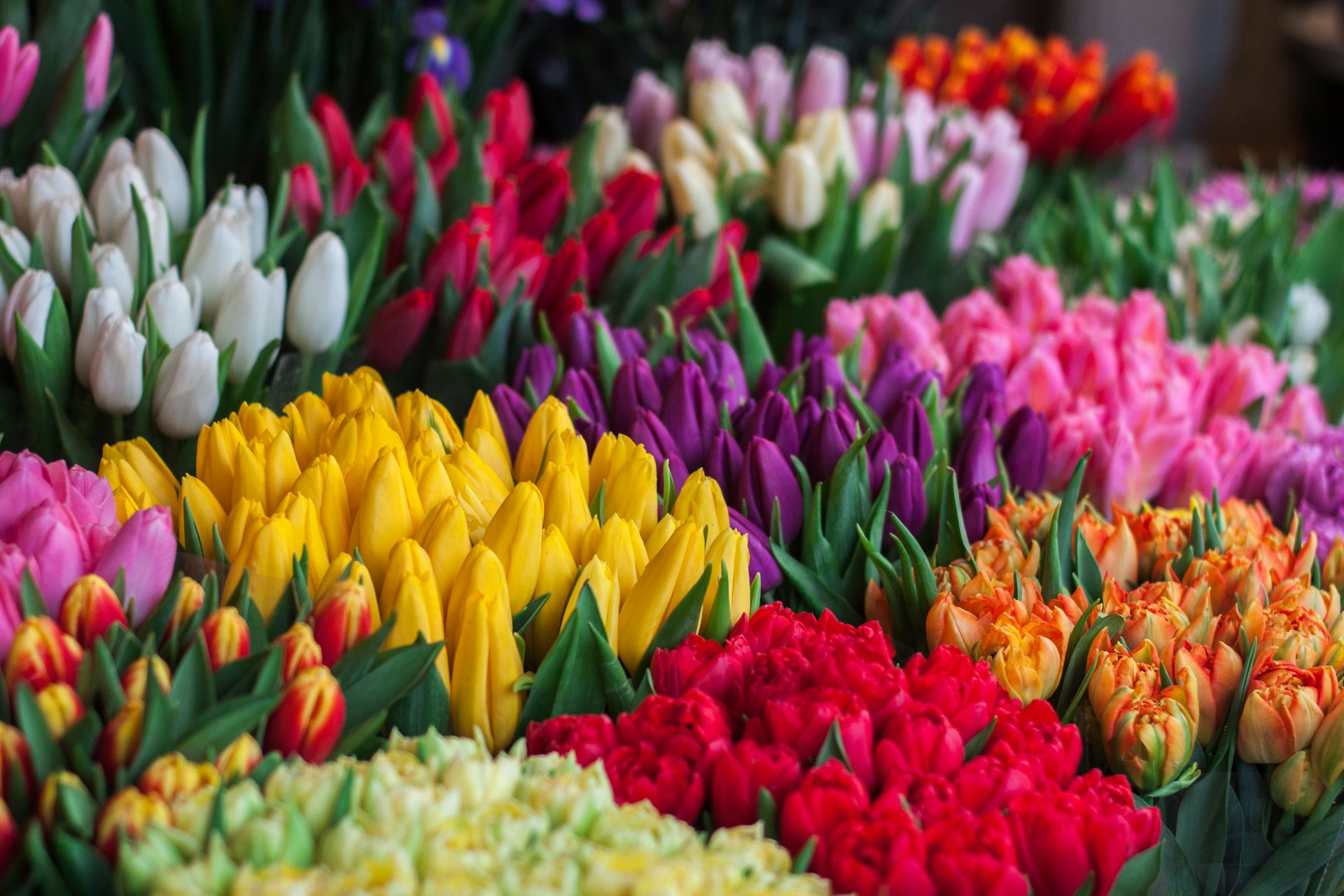
Flowers have shaped human celebrations for centuries across continents and cultures. A Special Occasion is not complete without flowers. They symbolize moments of joy, transition, remembrance, and gratitude. Their presence adds color, scent, and meaning to gatherings large and small. Beyond decoration, flowers carry stories, beliefs, and shared values passed between generations. Festivals often rely on blooms to express emotions that words cannot clearly convey. Communities use them to welcome guests, honor deities, and mark the passage of time. Across history, flowers have acted as a visual language, helping people celebrate identity and connection. This article explores how flowers play an essential role in celebrations around the world and why their symbolism remains powerful today.
Flowers as Symbols of Cultural Identity
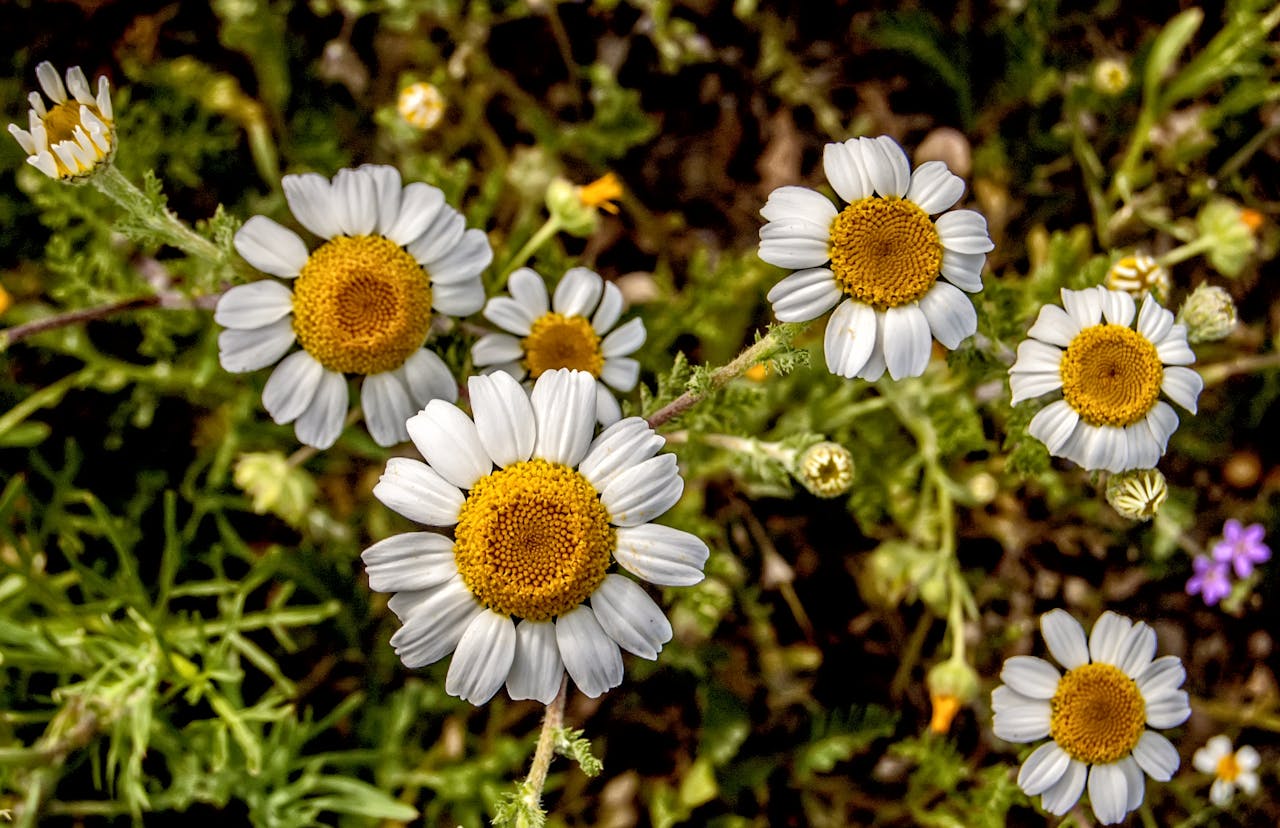
Many festivals use flowers to reflect cultural roots and collective identity. In India, marigolds dominate religious festivals because they symbolize purity and devotion. In Japan, cherry blossoms mark seasonal change and national reflection during Hanami. These choices are not random or purely aesthetic. Each bloom represents a history shaped by climate, belief, and social practice. The use of local flowers helps communities preserve customs while honoring their environment and agricultural heritage over time.
Religious Celebrations and Sacred Blooms
Flowers hold deep spiritual meaning in religious festivals worldwide. Hindu rituals use lotus flowers to represent divine beauty and rebirth. Christian celebrations such as Easter feature lilies that symbolize resurrection and hope. Buddhist ceremonies often include simple floral offerings to show respect and impermanence. These practices ensure that worship remains sensory and symbolic rather than abstract. The act of offering flowers connects the physical world to spiritual belief and mindful intention.
Seasonal Festivals and Nature’s Cycles
Many celebrations follow natural cycles, with flowers marking seasonal transitions. Spring festivals often feature blossoms that signal renewal and growth after hardship. The Tulip Festival in the Netherlands celebrates both history and the arrival of warmer days. In Thailand, floral parades welcome seasonal abundance and agricultural success. Flowers help people stay connected to nature’s rhythm in an increasingly urban world shaped by technology.
Flowers in Weddings and Life Milestones
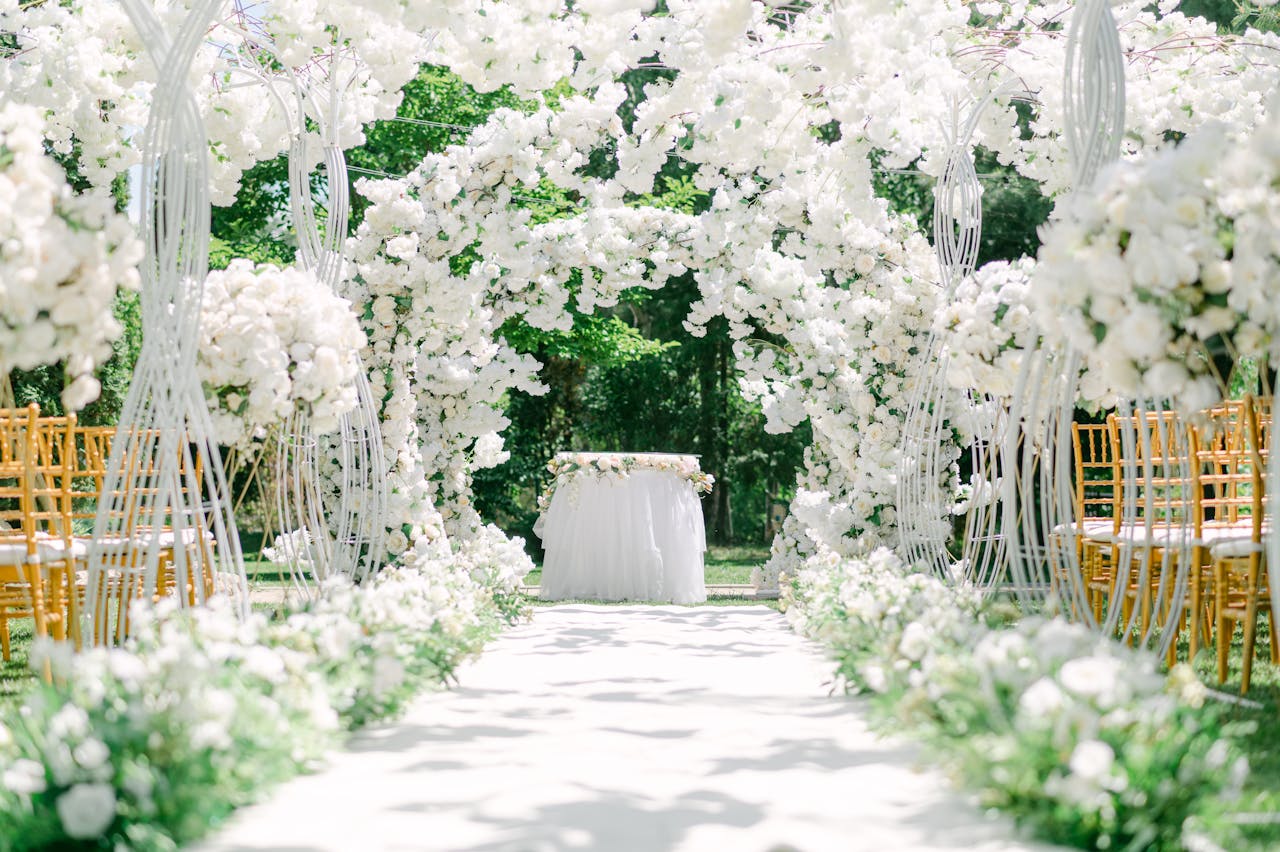
Festivals tied to life events rely heavily on floral symbolism. Weddings across cultures use flowers to represent love, fertility, and unity between families. Orange blossoms, roses, and jasmine appear in ceremonies worldwide. Birth celebrations and coming-of-age festivals also include flowers to mark new beginnings. Each arrangement carries a unique message shaped by tradition, family values, and social expectations within the community.
Public Festivals and Community Expression
Large public celebrations often use flowers to transform shared spaces. Events like Spain’s Patios Festival or Colombia’s Flower Fair turn streets into living galleries. Floral displays encourage community participation and cultural exchange. They also allow artists and growers to showcase creativity and craftsmanship. These festivals demonstrate the utmost care placed on beauty, collaboration, and shared pride among residents and visitors alike.
Remembrance Festivals and Emotional Meaning
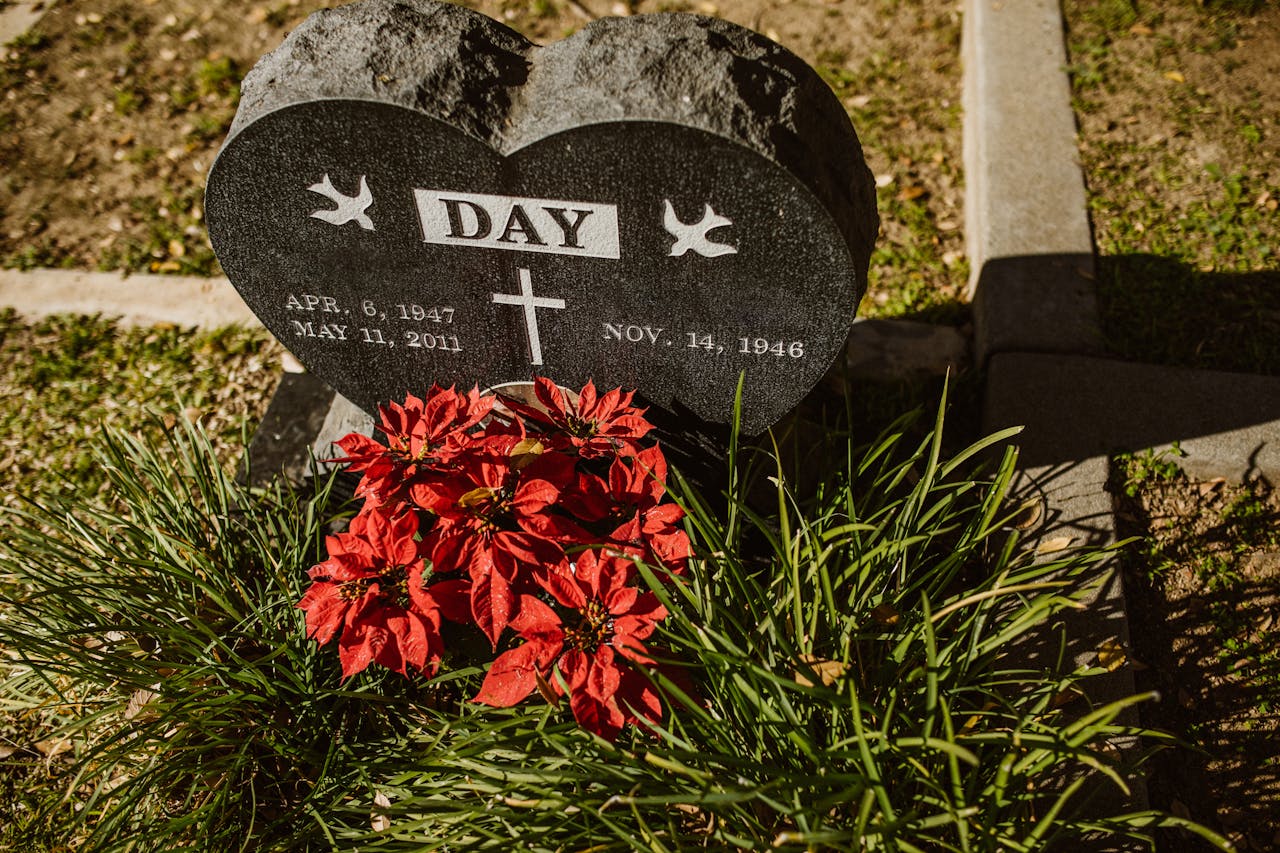
Flowers play a central role in festivals focused on remembrance and respect. Mexico’s Day of the Dead uses marigolds to guide spirits back home. Memorial days in Europe often feature poppies to honor fallen soldiers. Flowers provide a gentle way to express grief, memory, and gratitude without heavy language. Their temporary nature reflects the fragile balance between life, loss, and collective memory.
Contemporary festivals continue to adapt floral traditions. Sustainable practices now influence flower selection and display methods. Some events favor locally grown or reusable floral designs to ensure reduced environmental impact. While styles change, the core meaning remains strong. Flowers still connect people, mark time, and celebrate shared experiences. Their role in festivals continues to grow as cultures blend and evolve globally through travel and media.…